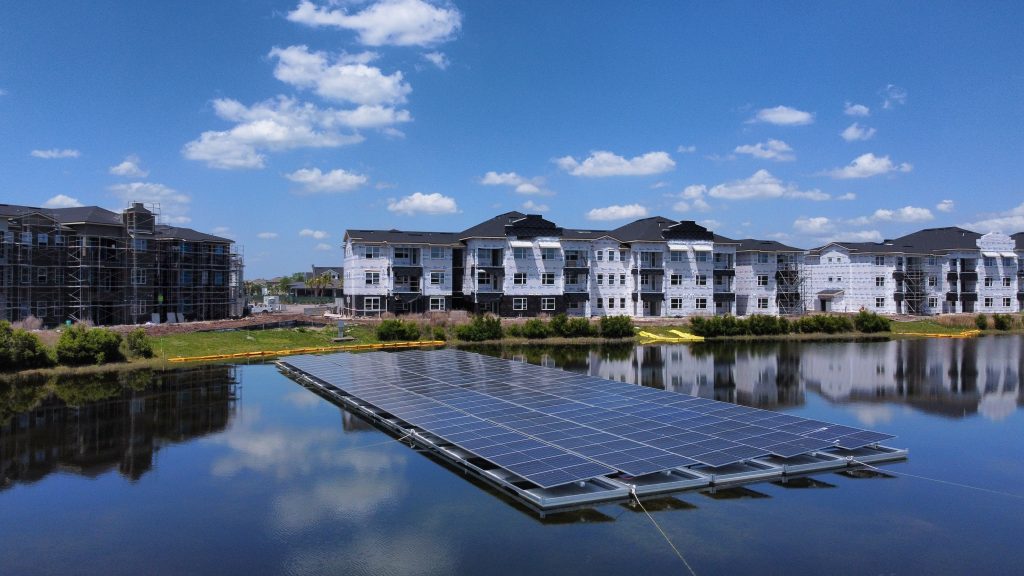
How Corporate Teams Can Use Solar Energy to Meet ESG Goals

As environmental, social, and governance (ESG) considerations become integral to corporate strategy, businesses are seeking effective solutions to meet these goals. Solar energy emerges as a powerful tool to affirm corporate stewardship and offer measurable benefits across the ESG framework. By integrating solar solutions into ESG, companies can reduce carbon emissions, achieve cost savings, and enhance their reputation across stakeholders.

How Corporate Solar Solutions Support ESG Strategies

Solar energy contributes meaningfully to all three pillars of ESG, making it a practical, high-impact strategy for companies pursuing environmental, social, and governance goals.

Environmentally, solar systems reduce greenhouse gas emissions and cut reliance on fossil fuels. Integrating solar into operations lowers a company’s carbon footprint, improves energy efficiency, and supports healthier ecosystems by limiting air and water pollution associated with conventional energy sources.

Socially, solar projects help build the infrastructure needed for a clean energy future while expanding access to reliable power without increasing atmospheric pollutants. These projects also generate economic development through workforce training, skilled labor opportunities, and partnerships that benefit local communities.

From a governance perspective, solar adoption reinforces accountability and long-term strategic thinking. Solar installations require rigorous planning, risk management, and transparency in energy use and reporting. These attributes enhance a company’s governance profile by demonstrating ethical leadership, regulatory compliance, and a measurable commitment to stakeholder interests.

Driving Cost Savings Through Solar Adoption

Beyond environmental benefits, corporate solar solutions offer significant financial advantages. By generating their own electricity, businesses can reduce utility expenses and protect against energy price volatility. Various incentives and tax credits are available to offset initial installation costs, further enhancing the return on investment.

Federal Commercial Incentives for Solar

Businesses investing in solar systems may qualify for several federal tax benefits designed to encourage renewable energy adoption:

  • Investment Tax Credit (ITC): Provides a 30% tax credit on the total installation costs of qualifying solar systems.
  • Production Tax Credit (PTC): Offers a per-kilowatt-hour credit for solar systems that generate electricity. Businesses can choose between ITC and PTC depending on which provides greater savings.
  • Modified Accelerated Cost-Recovery System (MACRS): Allows businesses to recover a portion of their solar installation costs over time, accelerating cost recovery for business owners.

Florida Commercial Incentives for Solar

In Florida, commercial solar installations benefit from several state-specific programs that make renewable energy adoption more affordable:

  • Property Tax Exclusion: Florida offers an 80% property tax abatement for businesses adopting solar energy, reducing financial burden on commercial property owners.
  • Sales Tax Exclusion: Florida waives the sales tax on the purchase of solar energy systems, savings businesses 6% or more on equipment costs.
  • Florida Net Metering: Commercial systems up to 2 megawatts can utilize net metering policies, allowing excess energy produced to be credited back to the business’ utility bill.

Together, these incentives make solar energy an increasingly cost-effective solution for commercial property owners looking to improve sustainability without sacrificing savings.

Strengthening Brand Reputation with Solar Integration

Adopting solar energy can enhance a company’s reputation by showcasing its commitment to sustainability, attracting environmentally conscious consumers, investors, and partners. Furthermore, visible solar installations are a tangible demonstration of corporate responsibility, reinforcing company values and differentiating the brand from others. Solar affirms positive brand perceptions by:

  • Appealing to Eco-Conscious Consumers: Commercial buildings with solar infrastructure signal a proactive commitment to environmental goals, resonating with today’s increasingly value-driven buyers and clients.
  • Appealing to Internal Stakeholders: Modern employees, investors, and partners prioritize working for companies aligned with their principles. Solar adoption fosters internal pride and reinforces a company culture of innovation and responsibility.

These brand benefits position solar energy as a strategic asset that strengthens a company’s identity and improves key stakeholder relationships.

Using Solar to Stay Ahead of ESG Regulations

Solar energy is quickly becoming a standard feature of responsible, future-ready businesses. As sustainability expectations grow among consumers, investors, and regulators, solar adoption will increasingly separate market leaders from those playing catch-up.

Companies that invest in solar today gain a competitive edge by benefiting from long-term energy savings, enhanced brand equity, and access to valuable financial incentives. These early adopters are setting the tone for their industries while reducing operational risk and contributing to a more resilient energy infrastructure.

Fueling the Future of Energy

By adopting renewable energy, businesses meet current ESG goals while building reputational capital and shaping a more sustainable future for the communities they serve. Partnering with a knowledgeable energy solutions provider is key to turning those sustainability goals into measurable results.

At 15 lightyears, we create sustainable spaces through clean energy, cutting-edge technology, and green building practices. Our comprehensive energy solutions, including solar installations, energy audits, and compliance testing, improve energy efficiency but while reducing operational costs and enhancing long-term sustainability. Beyond energy performance, we actively engage with communities to advance sustainability education, promote STEM careers, and inspire the next generation of clean energy leaders. By integrating innovation and environmental responsibility into every project, we empower our clients to build smarter, safer, and more energy-efficient spaces. Discover how 15 lightyears can help you transition to reliable, cost-effective solar energy solutions that drive lasting impact.

The ROI of Solar Energy Systems for Businesses: A Complete Guide

As businesses recognize the long-term financial and environmental benefits of solar energy, adoption is quickly becoming a strategic priority. Commercial solar systems reduce operational costs, increase property value, and provide access to incentives that improve profitability. For business owners, property managers, and corporate decision makers, solar integration is an investment that delivers cost savings, energy security, and competitive advantages over time.

Why Commercial Businesses Should Invest in Solar

Solar energy has evolved from an environmental initiative to a financially sound investment for businesses. With energy costs rising and sustainability regulations tightening, integrating solar into new commercial properties ensures cost stability, energy independence, and regulatory compliance while improving the bottom line.

Businesses who invest in solar energy benefit from:

  • Lower Operating Costs: Solar energy reduces electricity expenses, minimizing reliance on volatile energy markets and lowering monthly utility bills.
  • Increased Property Value: Solar-equipped commercial properties see higher valuations and improved lease appeal, making them more attractive to tenants.
  • Corporate Sustainability and Compliance: Solar installations support green certifications like LEED and ENERGY STAR, aligning with sustainability goals and environmental, social, and governance (ESG) commitments.
  • Energy Cost Stability: Businesses can protect themselves from rising energy prices by generating their own electricity, ensuring predictable operating expenses.

By embracing solar energy adoption, businesses position themselves as leaders in sustainability and operational efficiency, gaining a competitive advantage while benefitting from financial incentives.

Key Cost Factors in Commercial Solar Development

While solar offers significant long-term savings, understanding the upfront costs is crucial for businesses evaluating solar investments. Several factors influence the total cost of a commercial solar system:

  • Equipment Costs: The price of solar panels, inverters, racking systems, and energy storage solutions, which varies depending on efficiency and capacity.
  • Site-Specific Considerations: Roof structure, shading analysis, and soil conditions can impact installation feasibility and costs.

Despite initial capital investment, falling solar panel prices and increased incentives have made commercial solar projects more cost-effective for businesses than ever.

Financial Incentives and Rebates for Solar Projects

Businesses can significantly lower solar project costs by taking advantage of federal and state-level incentives:

  • Solar Investment Tax Credit (ITC): Covers 30% of total system costs to reduce upfront expenses for solar integration into businesses.
  • Net Metering: Businesses can sell excess solar energy back to the grid, further improving ROI.

By incorporating solar-ready infrastructure and taking advantage of financial incentives, businesses can accelerate their break-even period and increase profitability faster.

Long Term Financial Gains of Solar Energy Systems

The ROI for solar extends far beyond immediate cost reductions. Commercial businesses integrating solar energy into their projects benefit from:

  • Lower Operating Costs: Solar energy adoption significantly reduces electricity expenses, leading to thousands in annual savings.
  • Minimal Maintenance Costs: Solar panels have minimal maintenance requirements and can last over 25 years, reducing ongoing operational expenses.
  • Resilience to Utility Rate Fluctuations: By generating their own power, businesses protect themselves from rising electricity rates and grid instabilities.

Commercial properties with solar energy systems consistently outperform non-solar properties in both financial stability and market value.

Fueling the Future of Energy

Solar energy is a strategic, high-value investment for commercial businesses looking to reduce costs, meet sustainability targets, and increase financial stability. By utilizing federal and state incentives and expert guidance, businesses can integrate commercial solar energy systems that maximize savings and increase property value.

At 15 lightyears, we create sustainable spaces through clean energy, advanced technology, and green building practices. Our comprehensive energy solutions, including solar installations, energy audits, and compliance testing, improve energy efficiency while reducing operational costs and enhancing long-term sustainability. Beyond energy performance, we actively engage with communities to advance sustainability education, promote STEM careers, and inspire the next generation of clean energy leaders. By integrating innovation and environmental responsibility into every project, we empower our clients to build smarter, safer, and more energy-efficient spaces. Discover how 15 lightyears can help you transition to reliable, cost-effective solar energy solutions that drive lasting impact.

Integrating Solar Design into Modern Architecture: Tips and Tools

Solar-integrated architecture is reshaping the way commercial spaces are designed, built, and operated. Embracing solar early allows commercial businesses to enhance operational efficiency, boost long-term savings, and gain a competitive edge in energy-conscious markets. Whether constructing new facilities or conducting renovations, commercial property owners who pursue solar solutions benefit from lower utility costs, reduced maintenance, and access to financial incentives. At 15 lightyears, we help clients integrate solar into modern buildings through thoughtful planning, in-house expertise, and seamless installation.

Why Solar-Integrated Architecture Matters for Businesses

The integration of solar technology into commercial design has evolved from a far-fetched possibility to a strategic advantage for modern businesses. For commercial property and business owners, incorporating solar design is a strategic move toward long-term cost savings and compliance with energy efficiency standards. Businesses who integrate solar design can avoid costly retrofits and qualify for lucrative financial incentives.

Key Principles of Solar Architecture

Solar architecture harnesses energy from the sun through strategic design. Two complementary strategies shape this approach:

  • Passive Solar Design: Optimizes building orientation, materials, thermal mass, natural ventilation, and layout to reduce reliance on mechanical heating and cooling. Examples include optimizing natural light, capturing thermal energy, and designing for airflow that reduces HVAC demand.
  • Active Solar Design: Incorporates systems like photovoltaic panels or solar thermal collectors to directly generate electricity or heat. These systems convert sunlight into usable energy, supporting daily operations and reducing utility dependence.

Combining both principles enables commercial properties to operate more efficiently while making a measurable impact on long-term energy use.

Planning for Solar Integration

Thoughtful planning is essential when designing for solar. Our team works closely with clients, architects, and engineers to assess each project’s structural feasibility, energy needs, and permitting requirements. By addressing these details early, projects can stay on schedule, qualify for incentives, and avoid design conflicts. Solar-ready design planning includes:

  • Structural Assessment: Evaluating roof layout, surface area, and load-bearing capacity.
  • System Compatibility: Aligning the design with existing infrastructure and usage goals.
  • Regulatory Considerations: Preparing for grid interconnection, utility approval, and permitting timelines.
  • Incentive Eligibility: Identifying relevant local and federal programs that improve ROI.

Before investing in solar solutions, commercial property owners need a clear understanding of whether their buildings are suitable for solar integration. This process helps eliminate costly surprises, maximize incentive eligibility, and ensure smooth permitting experiences from start to finish.

Data-Driven Solar Planning Tools

Commercial solar investments benefit from backing by strong financial modeling and operational forecasts. Experts use advanced modeling tools to simulate system performance, estimate financial returns, and guide decision-making. Essential tools for solar integration include:

  • Solar Forecasting Software: Provide real-time solar performance simulations to predict system output and financial returns over time.
  • Energy Modeling Simulations: Simulate energy demand patterns and assess how solar offsets utility bills.

These insights help commercial projects utilize solar as part of a broader sustainability strategy to reduce energy waste and improve building resilience.

NeoCity Academy Case Study: Results That Set New Standards

NeoCity Academy presented a unique challenge installing a complex solar system across an active school site. Today, the system operates at full capacity and seamlessly blends into campus architecture, demonstrating what’s possible when solar integration is prioritized from the start:

  • Cost Savings: NeoCity Academy eliminated nearly all traditional electricity expense by generating 100% of its energy needs through a custom solar system designed and installed by 15 lightyears. The solar-integrated school uses 76% less energy that traditional schools and saves approximately $112,000 per year in energy costs.
  • Financial Gains: By working with 15 lightyears and aligning early with Florida energy standards, NeoCity Academy qualified for key renewable energy incentives, helping offset installation costs and improve ROI. Additonally, NeoCity Academy received an over $50M federal grant for technological innovation.
  • Sustainability Leadership: NeoCity Academy now serves as a federally-recognized model for green building in public education, reducing carbon emissions and providing inspirational, real-world experiences of sustainable infrastructure to its students.

NeoCity Academy proves that early solar planning delivers more than just cost savings; it transforms spaces into symbols of innovation, educational leadership, and environmental responsibility. With expert support, solar integration becomes a defining asset that elevates both long-term value and community impact.

Case studies like NeoCity Academy can help commercial businesses better understand the practical benefits and proven strategies for implementing solar-integrated architecture.

Fueling the Future of Energy

Whether designing a new development or retrofitting an aging facility, solar integration creates long-term operational and environmental value. When solar systems are planned with intention and supported by the right team, the outcome is efficient, compliant, and future-ready.

At 15 lightyears, we create sustainable spaces through clean energy, advanced technology, and green building practices. Our comprehensive energy solutions, including solar installations, energy audits, and compliance testing, improve energy efficiency while reducing operational costs and enhancing long-term sustainability. Beyond energy performance, we actively engage with communities to advance sustainability education, promote STEM careers, and inspire the next generation of clean energy leaders. By integrating innovation and environmental responsibility into every project, we empower our clients to build smarter, safer, and more energy-efficient spaces. Discover how 15 lightyears can help you transition to reliable, cost-effective solar energy solutions that drive lasting impact.

Are Microgrids the Key to Energy Independence?

Energy independence is a rising priority for businesses facing inflated utility costs and an increasingly unstable grid. Solar-powered microgrids provide a practical way to manage energy needs on-site, improve operational reliability, and reduce long-term expenses. By adopting microgrids, businesses can meet sustainability standards while gaining greater control over their energy performance.

Understanding Microgrids

Microgrids are localized energy systems that can operate independently or in conjunction with a main power grid. They consist of energy generation, energy storage, and management technology that controls how and when energy is used. Microgrids are known for their resilience and self-sufficiency, making them ideal for businesses looking to decrease reliance on traditional energy systems.

Operational Savings from Solar Microgrids

One of the most compelling reasons businesses are adopting microgrids is the potential for operational cost reductions. By generating their own electricity through solar microgrids, companies can increase their energy independence well into the future. Key operational savings benefits include:

  • Reduced Peak Demand Charges: By using battery storage and solar to power operations during peak utility rate periods, businesses can significantly reduce demand charges.
  • Backup Power Without Downtime: Businesses maintain continuity during blackouts or natural disasters, avoiding costly shutdowns.
  • Long-Term Stability: Microgrids enable long-term energy budgeting and resilience, shielding operations from price volatility.

Companies with microgrids are less vulnerable to rolling blackouts and utility rate hikes, which reduces operational disruptions while maximizing productivity during periods of grid instability.

Financial Incentives from Solar Microgrids

To support wider adoption, federal, state, and local programs offer funding and incentives for microgrid installations. These stackable incentives make solar microgrids more affordable for business owners and operators. Financial incentives include:

  • Investment Tax Credit (ITC): Businesses installing solar components as part of a microgrid may qualify for a 30% federal tax credit, helping to offset installation expenses.
  • Production Tax Credit (PTC): Businesses generating electricity with qualifying renewable systems can be compensated per-kilowatt-hour over a 10-year period, boosting return on investment.
  • Modified Accelerated Cost-Recovery System (MACRS): This tax depreciation method allows businesses to recover part of their microgrid system costs over a five-year period, providing early financial benefits to business owners.

These incentives help make solar microgrids and attainable and attractive solution for businesses seeking to reduce energy costs, enhance grid resilience, and meet evolving energy compliance standards.

Additional Benefits of Microgrids for Businesses

Microgrids do more than reduce costs; they upgrade operations and support broader business interests, including:

  • ESG Compliance: On-site microgrids enhance environmental performance for ESG reporting by reducing greenhouse gas emissions. They support governance objectives by demonstrating proactive risk management and long-term planning.
  • Brand Reputation: Businesses that adopt clean energy systems signal innovation, environmental responsibility, and operational leadership. Public-facing microgrids enhance a company’s image and attract eco-conscious customers.
  • Energy Autonomy: Facilities with microgrids are more resilient, protecting against risk and revenue loss due to outages. Facilities requiring constant uptime deeply benefit from the reliability microgrids provide, allowing them to uphold mission-critical operations.

These strategic advantages position microgrids as essential infrastructure upgrades for forward-thinking businesses aiming to optimize performance, meet regulatory expectations, and lead within their industries.

Fueling the Future of Energy

Microgrids are reshaping how businesses consume energy and redefining energy independence. As grid reliability concerns and sustainability goals converge, companies that invest in solar microgrid systems today are better equipped to manage costs, protect operations, and meet long-term growth demands.

At 15 lightyears, we create sustainable spaces through clean energy, cutting-edge technology, and green building practices. Our comprehensive energy solutions, including solar installations, energy audits, and compliance testing, improve energy efficiency while reducing operational costs and enhancing long-term sustainability. Beyond energy performance, we actively engage with communities to advance sustainability education, promote STEM careers, and inspire the next generation of clean energy leaders. By integrating innovation and environmental responsibility into every project, we empower our clients to build smarter, safer, and more energy-efficient spaces. Discover how 15 lightyears can help you transition to reliable, cost-effective solar energy solutions that drive lasting impact.

Top Trends in Commercial Solar Energy for 2025

The commercial solar energy industry is advancing rapidly as businesses seek reliable, cost-effective solutions to reduce energy expenses and meet sustainability goals. With improvements in solar technology, energy storage, and regulatory policies, solar power is becoming an essential component of modern commercial infrastructure. Companies investing in solar energy now can improve efficiency, align with environmental standards, and take advantage of financial incentives that increase long-term profitability.

This article explores key trends shaping the future of commercial solar energy in 2025, from high-efficiency solar panels to new storage solutions and tax credits that make solar adoption more affordable.

Advanced Solar Technologies on the Rise

Solar technology is evolving to unlock greater efficiency and more reliable performance. In 2025, advancements in panel design, material science, and solar integration will set new benchmarks for energy production:

  • High-Efficiency Photovoltaic (PV) Panels: Modern materials, such as perovskite solar cells, are increasing the energy output of PV panels. These panels convert more sunlight into electricity, allowing businesses to generate more power with less space.
  • Bifacial Solar Panels and Tracking Systems: Bifacial solar panels capture sunlight from both sides, boosting energy efficiency. When combined with solar tracking systems, these panels follow the sun’s movement to maximize energy absorption throughout the day.
  • Building Integrated Solar Solutions: Solar shingles and transparent solar enable businesses to integrate solar technology directly into building designs. These solutions enhance aesthetics while reducing reliance on traditional rooftop solar panels.

Innovative solar panel designs and energy-capturing technologies are improving the efficiency of commercial solar energy systems. Businesses that adopt these advancements can increase energy production, lower energy costs, and improve sustainability credentials.

Battery Storage and Energy Resilience

Energy storage is becoming a top priority for commercial solar users. Businesses need reliable ways to store excess solar energy for use during peak demand periods or power outages.

  • Advanced Battery Technology: Lithium-ion and solid-state batteries are increasing storage capacity and lifespan. These advancements help businesses store more solar energy and reduce dependence on the grid.
  • Tesla Powerwall 3 and Commercial Storage Solutions: New battery systems, including the Tesla Powerwall 3, offer businesses scalable energy storage options. These systems support backup power, energy arbitrage, and demand charge reduction.
  • AI Driven Energy Management: Artificial intelligence is improving the way businesses manage energy storage. Smart algorithms predict energy demand patterns, allowing companies to optimize when they store and use solar power.

Battery storage is becoming an essential part of commercial solar energy systems, providing businesses with reliance against power outages and reducing reliance on traditional energy sources. With new battery technologies and AI energy management, companies can ensure consistent energy availability while lowering costs.

Policy and Certification Changes Impacting Solar Adoption

Government regulations and sustainability certifications are pushing businesses toward cleaner energy solutions. Companies that meet these evolving standards can benefit from cost savings, improved efficiency, and market differentiation.

  • LEED Certification Updates: Leadership in Energy and Environmental Design (LEED) certification now includes stricter energy efficiency requirements. Businesses that install high-performance solar systems can earn LEED points, which help achieve sustainability goals and enhance property value.
  • IECC 2021 and Net-Zero Building Mandates: The International Energy Conservation Code (IECC) has raised energy performance standards for commercial buildings. Many jurisdictions are also implementing net-zero mandates, requiring new construction projects to generate as much energy as they consume.
  • Incentives for Compliance: Companies that meet modern sustainability benchmarks may qualify for tax credits, rebates, and utility incentives that reduce upfront solar costs.

Shifting policies and certification requirements are shaping the future of commercial solar adoption. Businesses that stay ahead of regulatory changes can maximize financial benefits while meeting sustainability goals and improving energy efficiency.

Financial Incentives and ROI Considerations

Financial incentives and cost-saving opportunities are making solar energy more accessible for businesses. Companies that invest in solar can reduce operational costs and improve long-term financial stability.

  • Federal and State Tax Credits: Businesses installing solar systems can benefit from the federal Solar Investment Tax Credit (ITC) which reduces the cost of commercial solar installations. Many states also offer tax credits and rebates that lower project expenses.
  • Utility Rebates and Performance-Based Incentives: Many utilities provide rebates for businesses that adopt solar energy. Performance-based incentives reward companies for solar power they generate, adding another layer of financial benefit.
  • Cost-Effective Financing Options: Power Purchase Agreements (PPAs) and solar loans make it easier for businesses to install solar panels with little to no upfront investment. These financing options allow companies to pay for solar systems over time while benefitting from lower energy bills.

Businesses that switch to solar energy can expect a strong return on investment. Lower electricity bills, increased property value, and long-term energy savings make commercial solar a smart financial decision.

Fueling the Future of Energy

The commercial solar industry is evolving with advancements in technology, energy, storage, and financial incentives. Businesses that invest in solar in 2025 will gain long-term cost savings, improved efficiency, and access to new tax credits and rebates. As energy policies continue to shift toward sustainability, solar power will play a critical role in helping companies meet environmental goals while strengthening their bottom line.

At 15 lightyears, we create sustainable spaces through clean energy, cutting-edge technology, and green building practices. Our comprehensive energy solutions, including solar installations, energy audits, and compliance testing, improve energy efficiency but while reducing operational costs and enhancing long-term sustainability. Beyond energy performance, we actively engage with communities to advance sustainability education, promote STEM careers, and inspire the next generation of clean energy leaders. By integrating innovation and environmental responsibility into every project, we empower our clients to build smarter, safer, and more energy-efficient spaces. Discover how 15 lightyears can help you transition to reliable, cost-effective solar energy solutions that drive lasting impact.